
Why I’ve Resisted Talking About Mental Health
Reflecting on a fear
I’m pretty sure the world doesn’t need another ex‑footballer banging on about their mental health.
To be clear, it’s been awesome to see so many former athletes speak openly about their struggles because it’s helped society realise that mental health challenges aren’t personal failings and can affect anyone, especially people going through major life transitions (leaving the military, police etc).
Yet despite all this awareness, mental health issues continue to rise.
I think part of the reason is that the term “mental health” is still incredibly vague.
People are told to look after it. But are rarely helped to understand the underlying mechanism that governs how they feel, which is the nervous system.
I didn’t start my talks to speak about mental health.
I started them to talk about performance and why the team with the most energy is usually the team that wins.
Looking back, maybe I was already talking about mental health? I just didn’t call it that because I was talking about energy, and how it’s a signal of a regulated and healthy nervous system.
But lately, I’ve felt pulled to speak about this more directly from a mental health perspective, not just a performance one.
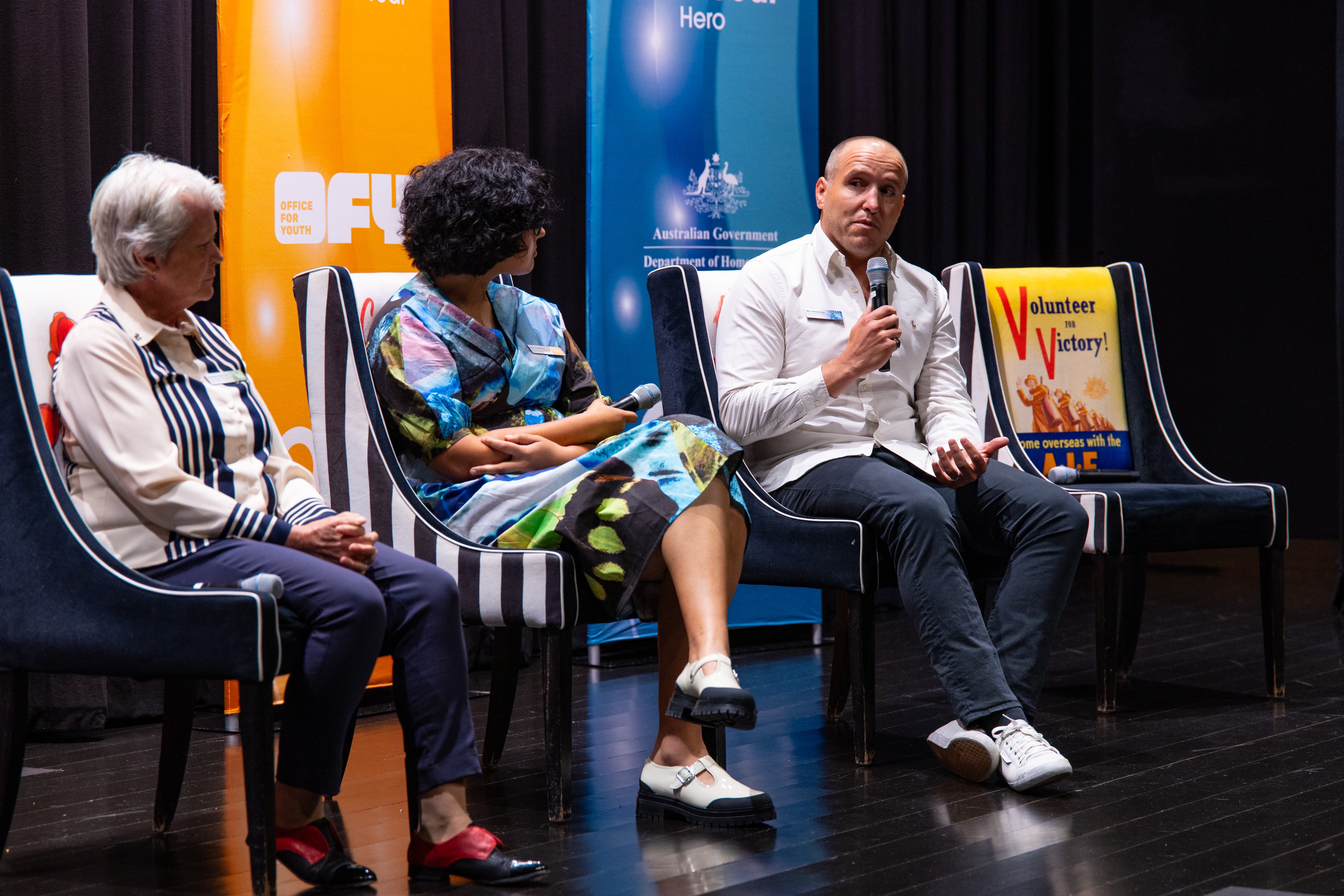
And when I was labelled as a “mental health advocate” during the Australia Day awards weekend, it didn’t quite sit right. And I’m still trying to figure out why.
Maybe it’s a fear of being seen as weak, as many leaders still believe that mental health struggles means you’re unreliable and incompetent?
Maybe it’s insecurity that I don’t have formal academic qualifications?
Maybe it’s because I worry my vulnerability is becoming cringe?
Or maybe I’m just still working out how to clearly communicate something I believe:
Peak performance and mental struggle aren’t separate things, but points at opposite ends on the nervous system health spectrum.
Either way, I know I can’t keep avoiding this feeling and needed to write.
Because this whole journey started when I shared in this blog that I was doing it tough. And the feedback I got from you, the readers, wasn’t judgement, but amazing words of support saying that what I was sharing helps.
And that spurred me on to write more, and I’ve felt a growing pull to speak more openly about it. Especially now that I’m finally on the other side of a difficult five‑year period where I can reflect and articulate what I went thru clearly.
So this feels like another fear I need to push through.
Whether I call it mental health or nervous system health, the truth is the same:
Understanding how our nervous system works gives people hope, agency, and a practical path forward.
I’m still figuring out exactly what that path looks like for me.
But staying silent no longer feels like the right option.
Rather than “mental health” I would view your work as being a “better health advocate”. Whether it is about energy, exercise (fitness), togetherness or something else, a lot of what R4R and you do is not going to fit into the same box for everyone. However, it hopefully puts participants into a better place and helps connect people with additional support if they need it.